What Is an Online Auction? A Practical Guide for Buyers & Sellers

Online auctions have changed the way that people buy and sell – combining the excitement of the physical auction house with round-the-clock, worldwide access. They make buying and selling simpler, faster, and more convenient, while still letting you find rare pieces and competitive prices – from trading cards to antique furniture!
This guide explains how online auctions work, the different auction formats you’ll encounter, how fees affect the final invoice, and practical bidding tips that protect your money and maximise value. Want to buy or sell at an online auction but are unsure about how it all works? Our experienced team at Cullens of Surrey are more than happy to help – simply get in touch with us today.
What Is an Online Auction?
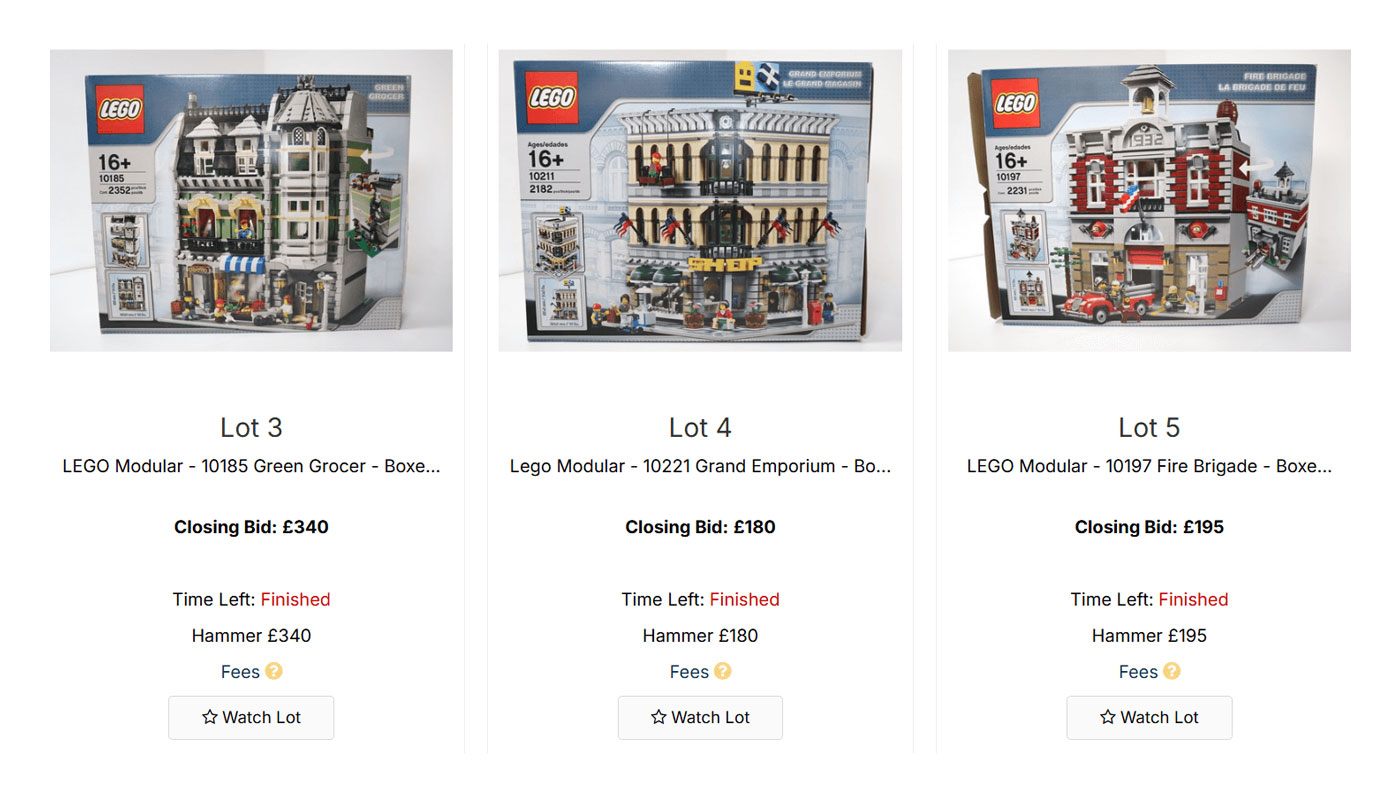
An online auction is a digital platform where buyers place competitive bids on items, with the highest bid winning the auction once the bidding period ends. Unlike traditional auctions that require physical attendance, online auctions allow people from all over the world to participate in real-time or within set time frames.
Some of the most common items sold at online auctions include:
- Art & Antiques: Oil paintings, Georgian/Edwardian furniture, porcelain (e.g. Royal Doulton), and Victorian silver.
- Militaria: Medals and badges, uniforms, helmets, wartime documents, and regimental memorabilia.
- Jewellery: Pocket watches, pendants, bracelets, diamond rings, earrings, brooches, and Sovereign coins.
- Toys & Collectables: Vintage tinplate toys, original Star Wars figures, and trading cards (e.g. Pokémon, Topps, Magic: The Gathering).
- Tech & Gadgets: Classic hi-fi systems, twin-lens reflex cameras, and boxed retro video game consoles.
Timed vs Hybrid Auctions – Which Is Right for You?
There are two main types of online auctions: Timed Auctions and Hybrid Auctions. Let’s take a look at what each involves:
Timed Auctions
These auctions allow buyers to place bids within a designated time period. Once the timer runs out, the highest bid wins the item. It’s a straightforward and popular format for auctions that cater to those who prefer a fixed start and end time.
Hybrid Auctions
Hybrid auctions combine both timed and live bidding. Bidders place their bids over a set period, but towards the end, a live bidding event kicks off where participants can bid in real-time, similar to a traditional auction. This type of auction creates a sense of urgency and excitement as the auction nears its conclusion.
In addition to these two types, well-known platforms like eBay are widely used for online auctions, particularly for everyday items. eBay allows users to list and bid on products within an auction-style format, although many items can be bought outright through the “Buy It Now” option.
What Are the Benefits of Online Auctions?

Online auctions offer numerous benefits, making them an attractive option for both buyers and sellers:
Convenience
Participate in auctions from anywhere in the world, without having to leave your home.
Access to Rare Items
Discover and bid on rare, exclusive, or hard-to-find items that might not be available in local shops.
Wide Selection
Through the most reputable platforms, you can access specialised collections of art, antiques, and luxury items.
Accessibility for Everyone
Online auctions remove physical barriers, allowing individuals with disabilities or mobility issues to participate.
Global Reach
With global participants, you can tap into an extensive market for both buying and selling.
How to Buy Items in an Online Auction
Buying goods from an online auction is straightforward. Here’s a typical step-by-step guide, based on how things work at Cullens of Surrey:
- Register on the Platform: Sign up for an account on the auction platform. This typically requires basic details such as your name, email, and payment information. Registration is quick and easy, allowing you to get started right away.
- Understand Auction Rules & Terms: Each auction has its own set of terms and conditions, so it's essential to review them before placing bids. Ensure you're familiar with the buyer’s premium, payment methods, and delivery options.
- Browse and Search for Items: Once you're registered, you can begin browsing the catalogue or check out the list of upcoming auctions. Use search filters to find exactly what you're looking for.
- Register To Be Notified For Upcoming Auctions: If an auction house doesn’t currently have any items or auctions that interest you, you can often sign up to be notified when upcoming auctions go live.
- Place a Bid: When you find an item you’d like to bid on, simply enter your bid amount. Make sure you’re comfortable with your bid, especially if it’s approaching the reserve price!
- Winning or Losing the Auction: If you’re the highest bidder when the auction ends, you’ll win the item. If not, you can continue to watch and bid in other auctions.
- Pay for Goods & Delivery: Once you’ve won, you’ll receive instructions for payment and shipping. The auction platform should offer secure payment methods, ensuring a smooth transaction process for buyers.
How to Sell Items in an Online Auction
Selling items via online auctions should also be an easy process; here’s what to expect:
- Market Research: Choosing the right auction house is crucial. While many sell a range of items, some specialise in specific categories and attract dedicated buyers and collectors. This is where you should receive a guide estimate for your items and establish auction house commission fees, helping you to make your decision.
- Item Consignment: Once you are satisfied that you have found the right auction house, you should look at transporting the items to the auction house. For example, at Cullens of Surrey, we offer a collection service with our own fleet of vans or nationwide carriers.
- Pre-Sale Reports / Reserves: To ensure the item sells for a minimum price, sellers can set a reserve price; the lowest amount they're willing to accept for an item after a full pre-sale report has been issued. Experts at the auction house will guide you through this.
- Maximise Value: To get the best value for your item, well-written descriptions, quality images, and clear terms can boost interest in your item.
- Monitor the Auction: Sellers can keep an eye on their items throughout the auction period, and the auction house will be ready to answer any questions from buyers.
- Post Sale: After the auction has concluded, you’ll generally receive a post-sale report within 48 hours, outlining the items that sold and their final sold price.
- Payment: This is generally made by bank transfer 14 to 21 days after the sale. You should also receive a final report showing the amount being paid after the auction house's selling fees.
Common Mistakes & How to Avoid Them
While online auctions are user-friendly, there are a few common mistakes both buyers and sellers make:
Misunderstanding Terms & Conditions
Always review the terms and conditions of an auction. This includes buyer’s premiums, payment deadlines, and shipping arrangements.
Overbidding
It's easy to get caught up in the excitement of bidding, but it’s essential to set a budget and stick to it. Overbidding can lead to paying more than an item is worth.
Poor Listing Preparation
Sellers should avoid vague descriptions or low-quality images. To attract bids, clear photos and detailed descriptions are key.
Not Researching
Buyers should research the items they are interested in, and sellers should ensure they are setting appropriate reserve prices and realistic starting bids.

Get Involved in Our Upcoming Auctions!
We invite you to join our upcoming online auctions, where you can access a curated selection of unique and valuable items. Whether you’re looking to expand your collection or sell an item, our easy-to-use platform makes the auction experience enjoyable and straightforward. Register today and don’t miss out on your chance to acquire something truly special!