Pokémon Card Grading: How To Maximise Value Before You Sell Your Collection

Pokémon cards aren’t just fun to collect (for kids and nostalgic adults) - they can also be genuinely lucrative to sell at trading card shows, auction houses, and online platforms.
If you’re thinking about selling a Pokémon card collection, whether it’s a carefully curated set or a big lot of mixed cards (even bulk), one of the smartest value-boosting steps is Pokémon card grading. A recognised professional grading system can help confirm authenticity, document condition, and increase buyer confidence, all of which can lift the hammer price.
This guide explains your main options for card certification and authentication, how the grading process works, what it typically costs, and practical tips to help your cards achieve the best grade possible. And, if you’d like expert support selling graded (or ungraded) cards, we’ll also show you how Cullens of Surrey can help.
Why Is Professional Grading Important for Pokémon Cards?
Professional grading is about more than a number on a label; it's an industry-recognised way to standardise quality and trust in the TCG (Trading Card Game) market.
Ensuring Authenticity
Professional graders use trained examiners to spot counterfeits by assessing factors like print characteristics, fonts, holo/foil patterns, and signs of artificial ageing or tampering.
Establishing Condition (Consistently)
Most major grading companies use a 1 to 10 scale and consistently assess condition, often factoring in sub-areas such as:
- Centring
- Corners
- Card edges
- Surface
- Printing quality
This is crucial because buyers often pay significantly more for cards with strong rarity, scarcity, and verified high condition.
Why Self-Grading Isn’t Recommended
It’s very easy to overestimate (or underestimate) a card at home. Tiny issues, a faint surface scratch, a speck of whitening on edges, slight centring shift can move a card down a grade, and those grade changes can materially affect value. Professional grading provides a trusted third-party standard that the market understands.
What Are the Best Grading Companies You Should Use?
If you’re aiming for maximum buyer confidence (and the strongest resale potential), these are the three most recognised professional grading names to consider for Pokémon and other TCG cards:
Professional Sports Authenticator (PSA)
PSA is arguably the best-known name in the industry, with huge recognition among collectors and auction buyers. PSA slabs are widely traded, and PSA grades are often treated as a “market standard” for value comparison, especially for iconic Pokémon cards.
Beckett Grading Services (BGS)
Beckett is another top-tier option, particularly popular with high-end collectors. BGS is well known for its detailed approach and, in many cases, subgrades (centring, corners, edges, surface). For certain cards, a strong Beckett result can carry serious prestige, such as a Pristine Black Label.
CGC Trading Cards (CGC)
CGC is a major grading brand with strong visibility across trading cards. It’s a common choice for collectors who want reputable card certification and authentication with a consistent professional grading system.
Up-And-Coming Graders & AI Grading
TAG Grading (AI-assisted grading)
TAG is a relatively up-and-coming grader that’s gained attention for using a more technology-driven approach, often described as AI-assisted grading designed to improve consistency and transparency in how condition issues are assessed. If you like the idea of a more data-led grading workflow, TAG is worth considering.
ACE Grading
If you’re based in the UK, it’s also worth knowing about ACE Grading, a UK-based grader that’s become increasingly popular, particularly for collectors who prefer to avoid international shipping and want a more local service option.
How Does a Professional Card Grading Service Work?
While each company has its own submission portal and packaging rules, the typical process looks like this:
- Submission & Fees
You choose a service level (often based on the card’s declared value and desired turnaround time), complete forms, and pay grading fees. - Authenticity Verification
The grader checks that the card is genuine and has not been altered. - Condition Evaluation
The card is inspected for the factors that most affect grade: centring, corners, card edges, surface, and overall printing quality. - Encapsulation
Once graded, the card is sealed in a protective holder (often called a “slab”) to protect it long-term. - Final Grade Assignment & Certification
The card receives its final grade and a label/serial that acts as certification for future buyers.
How Much Does Professional Pokémon Card Grading Cost?
Costs vary depending on speed, declared value, and service tier. (Prices correct as of April 2026)
PSA Pricing
- Value: $32.99 / card (approx £24.50)
- Value Plus: $49.99 / card (approx £37.20)
- Regular: $79.99 / card (approx £59.50
- Express: $149.00 / card (approx £110.99)
BGS Pricing
- BGS Base: $17.95 / card (approx £13.30)
- BGS Standard: $34.95 / card (approx £26.00)
- BGS Express: $79.95 / card (approx £59.50)
- BGS Priority: $124.95 / card (approx £93.00)
EXPLORE THE SUB CENTER’S BECKETT PRICING
CGC Grading Pricing (UK Submissions)
- Bulk (25-card minimum, max value £400): £12 ( £14.40 inc VAT )
- Economy (max value £800): £15 ( £18 inc VAT )
- Standard (max value £2,500): £45 ( £54 inc VAT )
- Express (max value £8,000): £80 ( £96 inc VAT )
- WalkThrough (max value £80,000): £240 ( £288 inc VAT )
Submission Services: An Easier Way To Submit to PSA, Beckett, & TAG
If you want to grade with PSA, Beckett, TAG, or CGC without dealing with the paperwork, international shipping, insurance decisions, and return logistics, a submission centre such as The Sub Center (UK) can handle the whole process for you. You simply prepare your cards, choose the service level you want, and they process and facilitate your cards to the main graders, reducing hassle and lowering the risk of costly submission mistakes.
What a submission centre in the UK helps with:
- Completing submission forms and admin correctly
- Checking cards and packaging meet grading requirements
- Handling shipping, tracking, and (where applicable) insurance
- Managing communication/status updates during the process
- Receiving your graded cards back and returning them to you securely
What Does the Grading Criteria Mean?
Most professional grading systems use a 1 to 10 scale, typically presented like this:
- Gem Mint 10 (GM-MT)
- Mint 9 (MT)
- Near Mint–Mint 8 (NM-MT)
- Near Mint 7 (NM)
- Excellent–Mint 6 (EX-MT)
- Excellent 5 (EX)
- Very Good–Excellent 4 (VG-EX)
- Very Good 3 (VG)
- Good 2 (GD)
- Poor 1 (PR)
We explain the details of each grade in our dedicated PSA standards guide.
How Does Grading Impact Pokémon Card Sales at Auction?
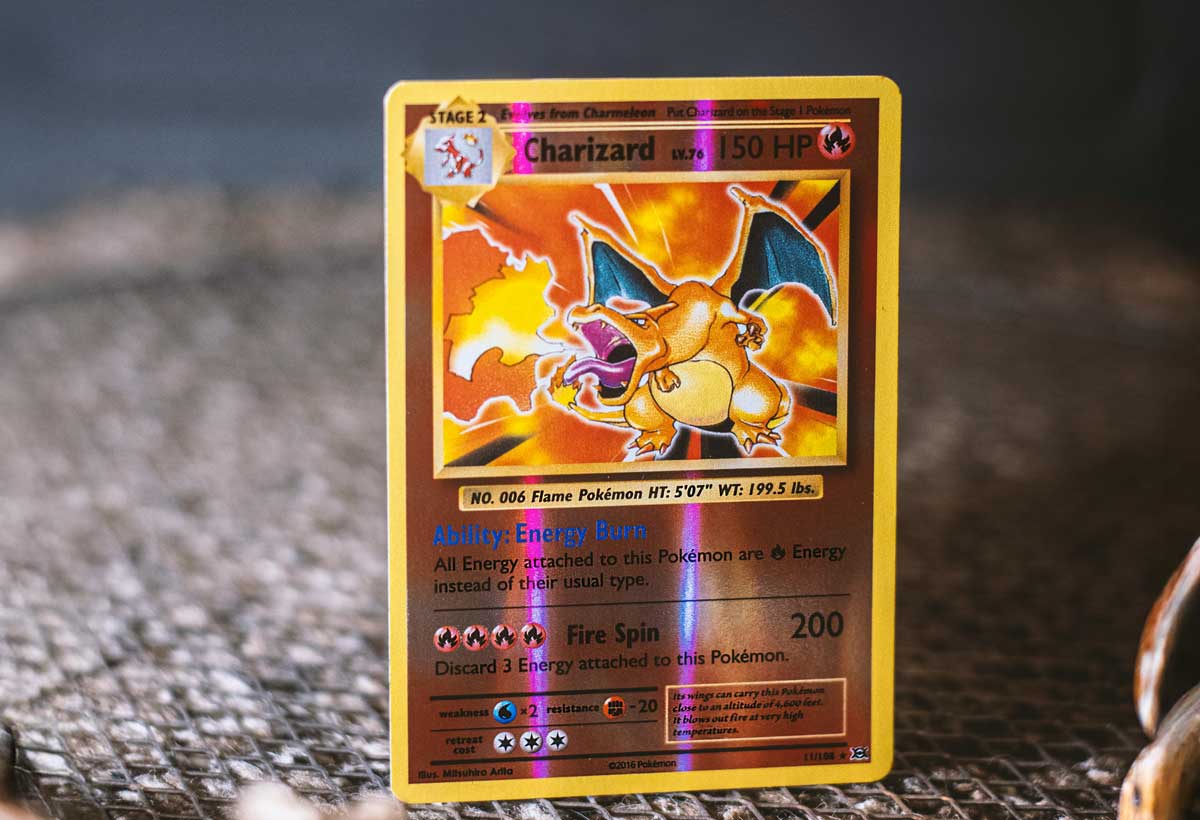
Grading can increase value because it reduces uncertainty for buyers. Instead of guessing the condition from photos, bidders can rely on professional assessment and verified authentication, which can translate into stronger competition and higher prices.
At Cullens of Surrey, we’ve seen this play out in real sales. In one example, a Pokémon Base Set collection including a Charizard graded PSA 8 carried a pre-auction estimate of £300-£500 and sold for £675 including premiums, whereas the same card ungraded would be in the region of £150-£250 for similar condition!
Even when you’re selling a mixed lot or bulk collection, grading your best cards (holos, first editions, scarce promos, high-demand starters, or anything with standout rarity) can help you anchor the value of the whole collection.
Tips for Maximising Your Pokémon Card Grade
If you’re planning to submit cards for grading, these habits can help you protect the condition:
- Handle Cards Carefully: Hold by the edges; avoid touching the surface.
- Use Protective Sleeves: Penny sleeve first, then a semi-rigid (often preferred by graders) or top loader.
- Avoid Over-Cleaning: Aggressive cleaning can cause micro-scratches or look like an alteration.
- Use a Clean Microfibre Cloth (only if truly needed): Never use liquids or chemicals.
- Store Properly: Cool, dry, stable temperature; avoid sunlight and humidity.
- Keep Cards Flat: Prevent warping (especially for holos).
- Pre-Check the Big Factors: Centring, whitening on edges, corner dings, surface scratches, print lines.
- Grade Selectively: It’s often smarter to grade the best candidates rather than sending everything in bulk.

Got a Pokémon Card Collection to Sell?
Whether you’ve got a small high-value binder, a childhood shoebox of bulk Pokémon, or a complete TCG collection ready to turn into cash, Cullens of Surrey can help you sell with confidence.
Our team understands trading cards and can:
- Help you identify standout cards worth grading
- Provide expert valuation for graded and ungraded singles, collections, and lots
- Offer multiple selling routes to suit you, including direct purchase (for singles or entire collections) or our popular auction services to maximise competitive bidding
If you’re ready to take the next step, get in touch with Cullens of Surrey and let us help you maximise your return.