A Guide to Silver Cutlery and Valuation for Auctions

Silver cutlery still performs strongly at auction in the UK especially sterling silver, desirable makers, and complete canteens. Even though formal dining is less common, collectors, interior-led buyers, and gift shoppers keep demand alive.
As a working guide, full services can reach £1,000s to £10,000+, while mixed lots and odd pieces often sell for £100s+ depending on maker, pattern, condition, and (crucially) whether it’s solid silver or plated.
This UK-focused guide explains silver flatware valuation UK style: how to read marks, weigh correctly, estimate a sensible auction range, and choose the best selling route.
What Is Your Silver Worth?
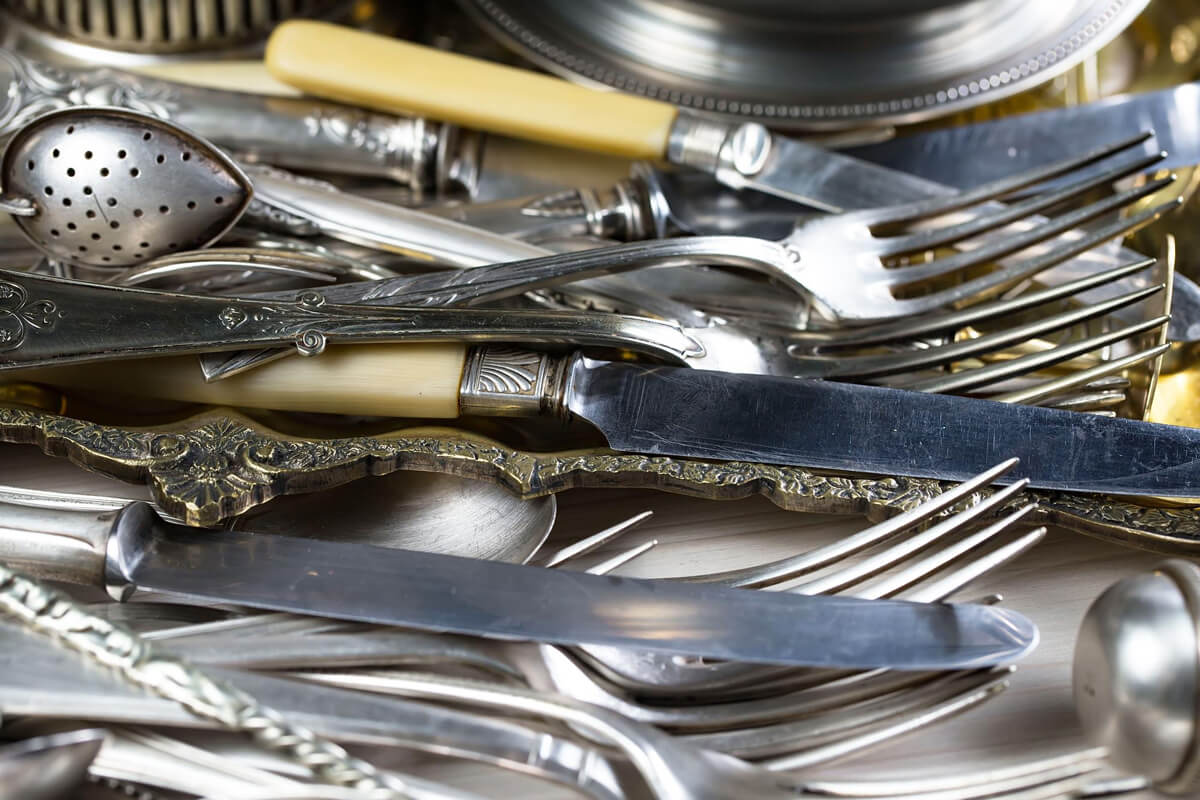
A proper silver cutlery appraisal starts with four questions:
1. Is it sterling silver or silver plate?
- Sterling silver is commonly marked “925” or carries full UK hallmarks such as the lion passant (English sterling).
- Plated cutlery often shows EPNS, A1, or brand stamps without UK hallmark structure. Plated pieces are usually worth far less than sterling and are often sold as decorative lots.
2. What do hallmarks and maker’s marks say?
UK hallmarks are the fastest “value signal” because they can confirm:
- Purity/standard
- Assay office
- Date letter
- Sponsor (maker) mark
The Goldsmiths’ Company (London Assay Office) explains that identifying the assay town mark first is key, and notes that silver-plated items can carry misleading stamps that resemble hallmarks.
3. How complete is the set and is it in good order?
- A matching set (especially in its original canteen/box) can command a premium.
- Dents, worn tines, thin bowls, repairs, or heavy engraving can pull value down.
4. Auction value vs scrap value (they’re not the same)
Scrap sets a “floor” value for sterling (based on weight). Auctions can exceed scrap sometimes dramatically when the maker, pattern, rarity or condition is right.
For example, one UK scrap buyer’s published rates on 3 March 2026 list sterling (925) at £1.31 per gram (their payout rate, not retail).
(Other buyers quote different payout rates, and rates move daily so treat this as a snapshot.)
Practical UK Auction Examples (Guide Prices)
These are typical “auction” guide ranges for straightforward, saleable sterling pieces (not top-tier rarity), assuming genuine sterling and decent condition:
- Sterling teaspoon (25-40g): £25-£60 each
- Mixed cutlery lot (300-500g): £200-£600+
- Large 90+ piece set (2,000g+): £1,800-£2,200+
Important: values vary widely by maker, pattern, age, completeness, and buyer interest.
Real-world auction context: price guides and recent listings show big variation from plated “canteens” (often modest) to higher-end sterling sets with known makers and substantial silver weight.
How to Inspect and Weigh Your Silver (Like a Valuer)
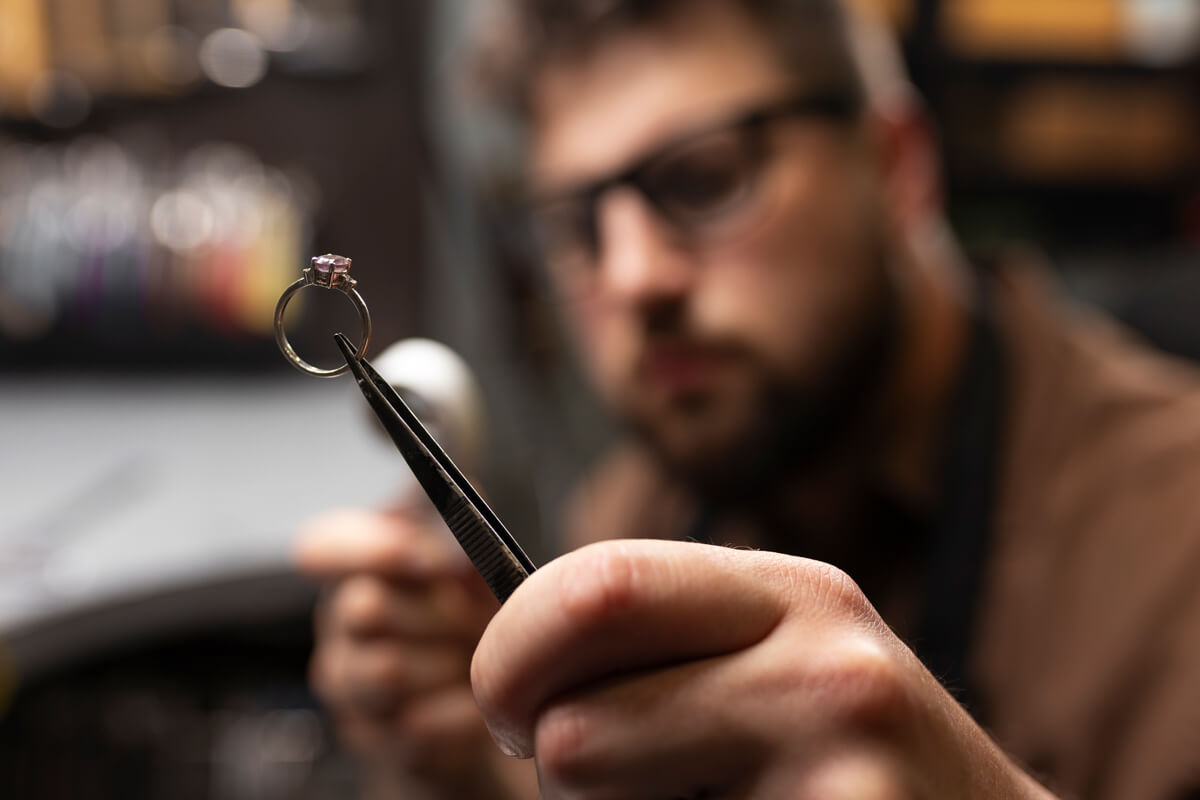
To get an accurate estimate at home, you need two things: good scales and clear hallmark photos.
Tools you’ll need
- Digital kitchen/postal scale (ideally 0.1g resolution)
- A small torch / phone light
- A loupe or magnifier
- Plain background (white paper/card) for photos
Weighing: the quick, reliable method
- Tare the container (bowl/box) before adding cutlery.
- Weigh representative single items and multiply to sanity-check a set:
- Teaspoons: ~25-40g
- Tablespoons: ~45-60g
- Dessert forks: ~30-50g
- For knives: check whether they’re filled handles or solid. Many knives have steel blades and weighted or filled silver handles, which affects how an auctioneer describes and values the “silver content”.
Condition checks buyers care about
- Dents and creases (especially in spoon bowls)
- Repairs/solder lines
- Thinning, pitting, or corrosion
- Worn pattern detail
- Bent forks / uneven tines
- Heavy monograms/inscriptions (can reduce broad buyer appeal)
Tip: Photograph hallmarks close-up, square-on, with good light buyers and valuers will ask for them.
Auction vs Private Sale in the UK: What’s Best for Silver Cutlery?
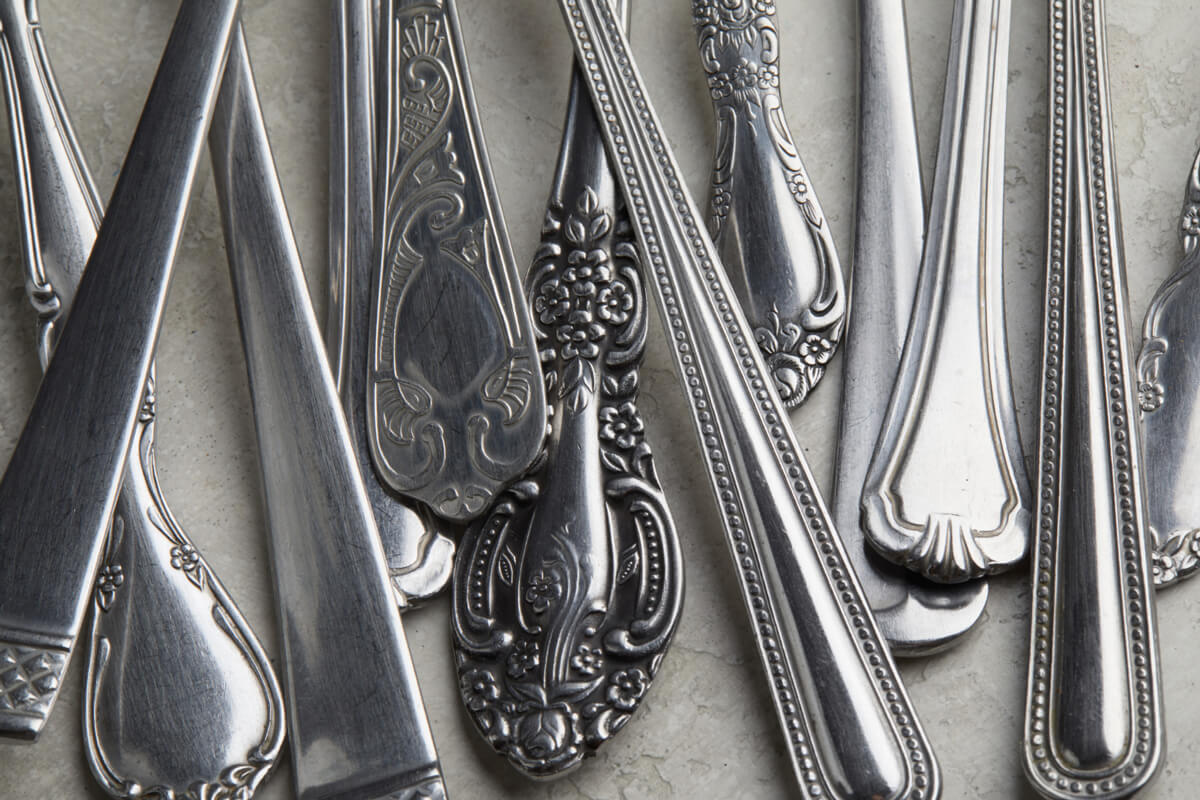
If you’re weighing up your options, here’s the practical breakdown.
Selling at Auction
| Pros | Cons |
|---|---|
| - Wide exposure and competitive bidding (ideal for desirable makers, complete sets, rare patterns) | - Seller’s commission + buyer’s premium means the hammer price isn’t what you receive |
| - Transparent, recorded prices (helpful for probate and “what did it really sell for?”) | - Timing: you may wait for the right sale date |
| - Specialists can catalogue properly, which often lifts confidence and bidding | - Lower-value lots may be grouped to keep selling costs sensible |
Rule of thumb:
Not sure which route suits your pieces? It's always worth getting a specialist opinion first. A complete canteen, named maker, or strong pattern can often achieve more at auction than people expect, and even mixed or plated lots may have more options than a quick sale suggests. A valuation costs nothing and gives you a clearer picture before you decide. If you would like to get more information first, you can read our guide on "How to Value Antiques & Collectables" here.
Private Sale/Dealer Sale
| Pros | Cons |
|---|---|
| - Can be faster | - Narrower buyer pool and less price discovery |
| - Often fewer selling steps (good for clearance situations) | - You may need to handle enquiries, authenticity questions, and returns risk yourself |
| - Useful if the pieces are mixed/odd and you want an immediate offer | - Dealers must leave margin so offers may be below what a strong auction result could achieve |
Rule of thumb:
Not sure which route suits your pieces? It's always worth getting a specialist opinion first. A complete canteen, named maker, or strong pattern can often achieve more at auction than people expect, and even mixed or plated lots may have more options than a quick sale suggests. A valuation costs nothing and gives you a clearer picture before you decide.
Hallmark & Maker Guide
This is a quick valuation primer for antique silver cutlery and modern sterling, enough to support valuation decisions.
Common UK sterling markers
- Lion passant: English sterling standard
- 925: sterling fineness (often used on modern pieces; can also appear on imported items)
- Assay office marks: show where it was tested (London, Birmingham, Sheffield, and Edinburgh are the four currently operating UK assay offices).
- Date letter: indicates the year (varies by office and cycle)
Maker/Sponsor’s mark
Usually initials in a shaped punch. Known makers and high-quality retailers can add a premium.
Authoritative hallmark resources (UK)
Tip: When valuing, the goal isn’t just “what does it say?” it’s “does this confirm sterling, date, and a desirable maker?”
How to Prepare Silver Cutlery for Sale (Auction-Ready)
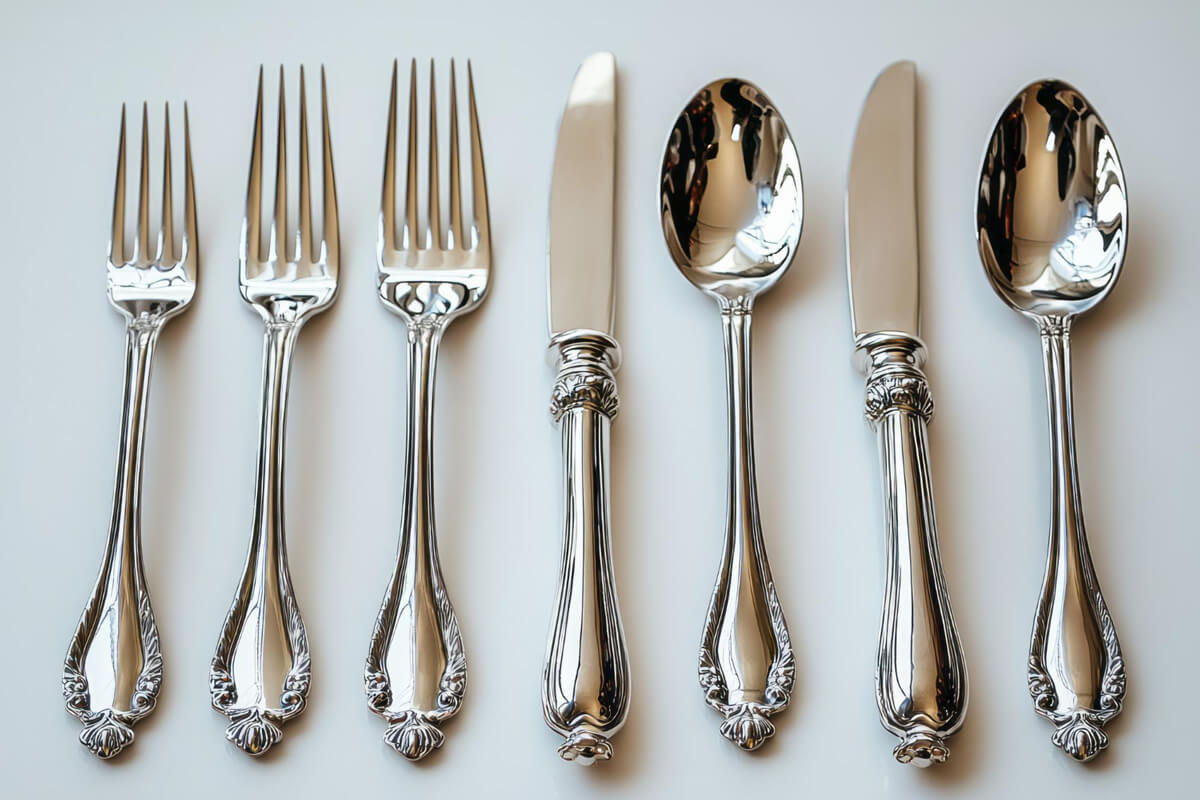
A little prep makes cataloguing easier and can improve bidding confidence.
Quick checklist
- Clean gently (avoid harsh dips and abrasive polishing that can strip detail)
- Photograph:
- Full group shot (all pieces laid out)
- Close-ups of hallmarks
- Any damage (buyers dislike surprises)
- Keep sets together (don’t split matching patterns)
- Include boxes/canteens and any paperwork
- Bring provenance/notes for in-person valuation
If you’re “automating your silver”
- Sort by pattern, then by item type ie. spoons, forks, knives or servers
- Bag and label odd pieces by pattern
- Create a simple inventory note (“12 settings + 6 servers, one fork replaced”)
Why Auction with Cullens of Surrey Auctions?
Cullens of Surrey Auctions combines trust, expertise, and modern convenience for sellers who want the best market outcome.
- Trusted specialists with 10+ years’ auction experience
- Regular handling of a wide range of valuables, including jewellery, watches and silver cutlery
- Automated bidding system for convenience and strong bidder participation
If you’re considering auctioning silver cutlery in the UK, sign up for upcoming silver auctions and get in touch for a valuation especially if you have a complete canteen, a named maker, or a well-matched set.
FAQs
-
How much is silver cutlery worth in the UK?
It depends on whether it’s sterling or plated, the maker/pattern, condition, and weight. Complete sterling sets can reach £1,000s-£10,000+, while mixed sterling lots often sell for £100s+.
-
How do I know if my cutlery is sterling or plated?
Look for 925 or UK sterling hallmarks (often including the lion passant). Plated pieces often show EPNS or A1, or lack hallmark structure. The Goldsmiths’ Company notes plated items can have stamps that resemble hallmarks, so clear photos help.
-
What are hallmarks and why are they important?
A hallmark is a set of marks applied by an official UK assay office confirming metal purity and other details. The UK has four currently operating assay offices: London, Birmingham, Sheffield, Edinburgh.
-
Should I sell at auction or privately?
Auction is usually best for complete sets, desirable makers, and rare patterns. Private/dealer sale can be faster, but may offer less upside.
-
Does weight affect value?
Yes weight strongly influences scrap value and often the auction “baseline,” though maker/pattern/condition can push the result well above scrap.
-
Can damaged cutlery still be valuable?
Often yes. Minor wear is normal; dents/repairs reduce value but sterling still has intrinsic metal value, and some rare makers/patterns remain collectible.
-
What info do I need for a valuation?
Clear hallmark photos, total weight (grams), piece count, condition notes, and whether it’s a complete set/canteen.
-
How long does it take to sell silver cutlery at auction?
Typically you’ll align with the next suitable sale date, then settlement follows after the sale according to the auctioneer’s payment terms. (A valuer can give the most accurate timeframe based on the sale calendar.)